
Business energy for independent shops Sort your shop's next energy contract from behind the counter.
Upload your latest electricity bill. George reads it in seconds and tells you whether you're in your switching window and what to do next.
- Result in seconds
- No account needed
- No sales calls
Bill check
Read by George in seconds
- Unit rate
- 28.4p/kWh
- Standing charge
- 62.0p/day
- Contract ends
- 28 Mar 2027
Result
In your switching window
You're ready to continue with Meet George.
Too early? Ask George to remind you when it's time.
Updated
How much electricity does a shop use?
- Median shop
- 7,900 kWh a year
- Estimated annual cost
- £3,030
Don't know how big your shop is or how much it uses? You don't need to: it's on your bill, and George reads it for you in seconds.
- 25 m² 2,700 kWh £1,040 a year
- 50 m² 5,400 kWh £2,070 a year
- 75 m² (Closest to the median shop) 8,100 kWh £3,110 a year
- 100 m² 10,800 kWh £4,140 a year
- 150 m² 16,200 kWh £6,210 a year
How we calculated this
The median shop in England and Wales used 7,900 kWh of electricity in 2024, according to DESNZ's building energy statistics (ND-NEED). Sizes are estimated at DESNZ's median for shops, about 108 kWh per m² a year; smaller shops tend to use more per m² and bigger ones less. Costs use the provisional Q2 2026 average paid by businesses using up to 20,000 kWh a year (38.36p per kWh, every charge except VAT, including Climate Change Levy that shops using up to 1,000 kWh a month don't pay). DESNZ's "shops" covers every kind of shop building, from kiosks and hairdressers to supermarkets.
Sources: DESNZ, ND-NEED 2026 (2024 data), tables 9A and 14A; DESNZ, non-domestic energy prices, table 3.4.2 (Q2 2026)
A real Meet George customer
Two years on deemed rates. Then 46% less.
Dream Looks, a fashion boutique in Marylebone, sat on its supplier's deemed (out-of-contract) rates for two years after its contract ended. In Q4 2025 it switched through Meet George to a three-year fixed contract. The new unit rate includes our 1p/kWh fee, and all prices exclude VAT and Climate Change Levy.
Read the Dream Looks case study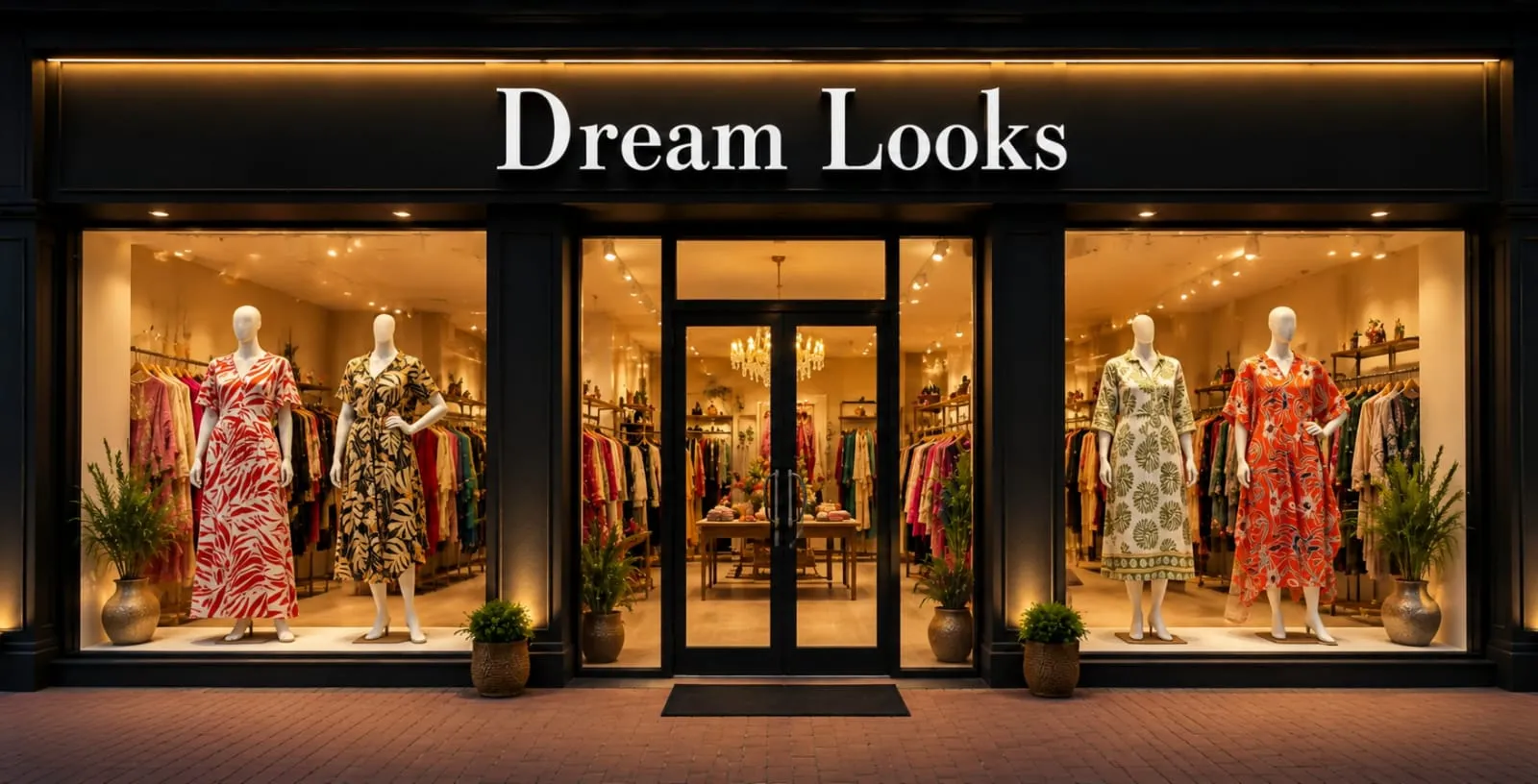
Dream Looks
Marylebone, London
| Item | Before | After |
|---|---|---|
| Unit rate | was 38.60p | 22.31p |
| Standing charge | was 139.50p/day | 49.54p/day |
| Contract | was Deemed | 3-year fixed |
| Yearly cost | was £2,840 | £1,528 |
Saved a year
£1,312
On out-of-contract rates? Ofgem says you can switch at any time.
Check if I can switchHow switching works with Meet George
A quick bill check first, so you only sign up when switching makes sense. Then you switch yourself, on the platform we built.
Step 1 · The bill check
See if you can switch in seconds
- Upload a recent electricity bill. No account needed.
- George reads it in seconds and tells you whether you're in your switching window and what to do next.
- Too early? Ask George to remind you when it's time.
No sales call, and no waiting for a reply.
Step 2 · Switch on Meet George
Do the whole switch yourself, online
- 01
Create your account
Sign up on Meet George. Nobody needs to call you.
- 02
Compare the contracts available to your business
Our 1p/kWh fee is shown separately on every quote.
- 03
Sign online
Your new supplier takes over from the agreed start date.
The whole switch happens on Meet George, not over the phone.
Where shops use electricity
Across DESNZ's broad "small shops" category, refrigeration is the largest electricity use, which DESNZ's building survey puts down to refrigerated food cabinets in the shops that have them. In a shop without chilled cabinets, lighting and heating make up a larger share. Using less helps, but what you pay for each kWh comes down to your contract.
-
35% Refrigeration From food shops' chilled cabinets
-
23% Heating
-
21% Lighting
-
8% Cooling and fans
-
4% Plug-in equipment and IT
-
9% Everything else
Shares of all small shops' electricity across the UK in 2025, including food shops and betting shops. DESNZ still bases this split on its 2014-15 Building Energy Efficiency Survey.
Four things worth checking on your shop's energy bill
They can make a bigger difference than how many lights you leave on.
Has your contract run out?
If a fixed deal ended with nothing new agreed, you may be on out-of-contract rates, which Ofgem says usually cost more than a fixed contract.
Look for: The tariff name and end date. "Deemed" or "out of contract" usually indicates default rates. Some bills don't show the end date.
Read more Show less
In Ofgem's 2025 survey, 19% of businesses whose contract ended in the previous 12 months were moved onto them. If that's you, Ofgem says you can switch to a new supplier at any time, though your current supplier can object if you owe it money.
Sources: Ofgem, Get a business energy contract; Ofgem, Businesses and the energy sector: 2025; Ofgem, Switch your business energy supplier
How much is your standing charge?
You pay it every day, open or shut, so the less electricity you use, the bigger its share of your bill.
Look for: The p/day figure next to "standing charge".
Read more Show less
It varies by contract too. Dream Looks, a Marylebone boutique, paid 139.50p a day on deemed rates, about £509 a year before using a single kWh, and 49.54p a day after switching.
Are you paying the right VAT?
Bills averaging no more than 33 kWh a day get a lower VAT rate than 20% and no Climate Change Levy, and HMRC judges each bill on its own.
Look for: The VAT rate on your electricity charges, and the kWh on each bill.
Read more Show less
That's about 1,000 kWh a month, which HMRC treats as domestic use. The median shop averages about 660 kWh a month over a year, under the limit, but because HMRC applies it to the usage on each bill, a busy winter quarter can tip over it.
Sources: HMRC, VAT Notice 701/19, section 5.2; HMRC, VAT Fuel and Power Manual, VFUP2310; HMRC, Revenue and Customs Brief 10 (2026); HMRC, Excise Notice CCL1/3, paragraph 2.5
Does your landlord buy the energy?
If your landlord pays the supplier and recharges you, the contract is theirs. If paying the bill is your responsibility, you choose the supplier.
Look for: Whose name is on the energy bill: yours or your landlord's.
Read more Show less
That holds even if the lease names a preferred supplier, but check it for a clause saying you must tell your landlord first. And if your landlord does resell you the energy, Ofgem's maximum resale price rule, which stops a reseller charging more than they paid, applies to homes, not shops.
Sources: Ofgem, resale of gas and electricity guidance; Ofgem and partners, non-domestic energy advice (2022), p.31 'If you are a tenant'
Not sure what contract you're on?
Upload your latest bill. George reads it in seconds and tells you where you stand.
Worth reading next

How we're paid
Our 1p/kWh fee, who pays it and how it shows on every quote.
How to switch business energy
The switch step by step, from bill to new contract.

How much could you save?
DESNZ prices by business size, and what leaving deemed rates is worth.

How to read your bill
Find your unit rate, standing charge and contract end date.
Questions shop owners ask
How much electricity does a small shop use?
About 7,900 kWh a year: that was the median for shops in England and Wales in 2024, according to DESNZ's building energy statistics (ND-NEED). DESNZ's median for shops works out at about 108 kWh per square metre of floor space a year. Chilled cabinets, long opening hours and electric heating tend to push usage up.
What's the average electricity bill for a small shop?
About £3,030 a year, or £250 a month, for the median shop's 7,900 kWh at the provisional Q2 2026 average paid by businesses using up to 20,000 kWh a year (38.36p per kWh, including every charge except VAT). Your contract matters too: Dream Looks, a Marylebone boutique, cut its unit rate from 38.60p to 22.31p per kWh (excluding VAT and Climate Change Levy) by leaving deemed rates in Q4 2025.
Should my shop be paying 20% VAT on electricity?
No, not if your shop uses 1,000 kWh of electricity a month or less (an average of 33 kWh a day). HMRC treats supplies within that limit as domestic, so there's no Climate Change Levy, no certificate needed and a lower VAT rate instead of 20%: 0% in Great Britain from 1 October 2026 to 31 March 2027, then 5% again, and 5% in Northern Ireland. If your bill shows 20% and your usage is within the limit, ask your supplier to correct it.
My shop's energy contract has ended. Can I switch now?
Yes, if you're on out-of-contract or deemed rates: Ofgem says you can switch to a new supplier at any time. Check first that your contract didn't renew you onto a new fixed term, and how much notice you need to give. Your current supplier can also object, for example if you owe it money.
I'm in a fixed contract. When can I switch?
At the end of your contract, unless it says otherwise. Ofgem says most suppliers won't let you switch before then unless you've agreed a termination clause or pay an exit fee. Fixed contracts also have a switching window, which opens a few months before the end, for you to renew or tell your supplier you're leaving, so check your contract for the dates and how much notice to give. The bill check looks for your contract end date and tells you in seconds whether it's time to line up your next contract.
Can I switch if my landlord supplies the electricity?
It depends who pays the supplier. If paying the energy bill is your responsibility under the lease, Ofgem's 2022 advice for business tenants, written with Citizens Advice and Energy UK, says you can still switch, even if the lease has a default supplier clause. Check it for notice and return clauses: you may need to tell your landlord before you switch, or hand the supply back to a named supplier when you leave. If your landlord pays the supplier and recharges you through the service charge or rent, the contract is theirs, so start the conversation with them.
Do I need a broker to switch my shop's energy?
No. Ofgem says you can find out what's available directly from suppliers, or through an intermediary such as a broker or comparison site. Meet George is one of those intermediaries, but fully self-service: you check your bill, and if you're in your switching window, you compare contracts and sign online, with our 1p/kWh fee itemised on every quote and no sales calls.
What does Meet George cost a shop?
A flat 1p per kWh, and you only pay it if you switch through Meet George. For a shop using the median 7,900 kWh a year, that's £79 a year. You pay it through your energy supplier, and it's itemised on every quote, never buried.
Sources (7)
Ofgem, Switch your business energy supplier; Ofgem, Get a business energy contract; Ofgem and partners, non-domestic energy advice (2022), p.31 'If you are a tenant'; HMRC, VAT Notice 701/19, section 5.2; HMRC, Revenue and Customs Brief 10 (2026); HMRC, Excise Notice CCL1/3, paragraph 2.5; DESNZ, ND-NEED 2026 (2024 data), tables 9A and 14A
Your shop's next energy contract, without the sales calls.
Upload your latest bill. George reads it in seconds and tells you what to do next. If you're ready to switch online, you can continue with Meet George.
- Result in seconds
- No account needed
- No sales calls


