
Platform Launching Q1 2026

Join the waitlist to be notified the day our AI-powered business energy switching platform goes live.

Meet George Logo
Guides

Alternative to Love Energy Savings: Transparent Switching

Looking for an alternative to Love Energy Savings? Compare the traditional broker model with transparent, self-service business energy switching. No hidden commissions.

| 18 min read
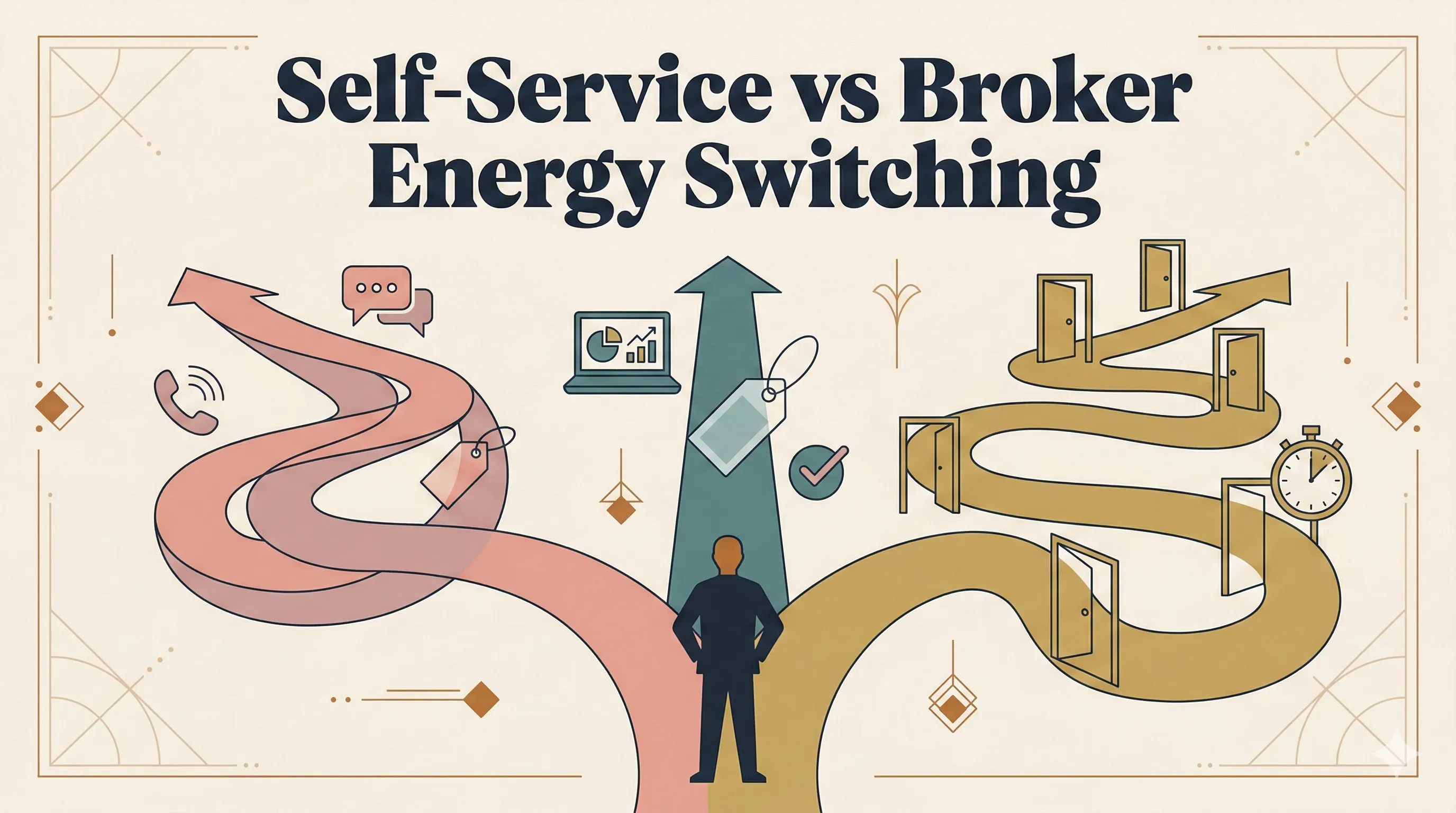
Split image comparing a phone with sales call notifications and question marks versus a laptop showing transparent pricing dashboard - representing the choice between traditional broker and self-service switching

TL;DR: Key Takeaways

Love Energy Savings’ Model: An established UK energy broker (since 2007) with 450,000+ customers, offering an online comparison tool backed by a phone-based sales team. Commission is embedded in your energy rate.

The Concern: While they have an online quote engine, the sales process often involves persistent calls. Commission isn’t shown separately - one customer discovered a 34% markup hidden in their rate.

The Trade-Off: Love Energy Savings offers experience, convenience, and a one-stop shop for multiple utilities. But the hidden commission model and aggressive sales tactics don’t suit everyone.

The Alternative: Self-service platforms like Meet George let you compare suppliers, see transparent pricing with fees shown separately, and switch entirely online - without cold calls or sales pressure.

The Bottom Line: If you want experienced guidance and don’t mind phone calls, Love Energy Savings delivers. If you value transparency and control, alternatives exist.


Why People Search for Alternatives to Love Energy Savings

Love Energy Savings is one of the UK’s largest and most established business energy brokers. Founded in 2007 and backed by £25m from LDC (part of Lloyds Banking Group), they’ve helped over 450,000 businesses switch utilities and maintain a 4.7-star Trustpilot rating (opens in new tab) from 24,000+ reviews.

So why do people look for alternatives?

Based on customer reviews, forum discussions, and analysis of their business model, the most common reasons include:

  1. Hidden commission - Fees are built into the unit rate rather than shown separately, with some customers reporting markups as high as 34%
  2. Aggressive sales tactics - Persistent cold-calling and pressure to “sign now” feature heavily in complaints
  3. Failed switches - Reports of switches not being processed, leaving customers on expensive out-of-contract rates without being told
  4. Lack of true self-service - Despite having an online tool, the process often funnels you into phone calls
  5. Potential conflicts of interest - Commission-based model may not align with getting you the absolute best price

This guide explains how Love Energy Savings works, what concerns have been raised, and what alternatives exist - so you can make an informed choice for your business.


How Love Energy Savings Works: Business Energy Broker Comparison

Understanding Love Energy Savings’ model helps clarify whether it’s right for you.

The Process

  1. Enter your details on their website (postcode, current supplier, usage)
  2. See instant quotes - Unlike some brokers, they do show prices online
  3. Speak with an advisor - Most customers end up on a call to finalise
  4. Sign a Letter of Authority allowing them to act on your behalf
  5. They handle the switch - Paperwork, supplier communication, etc.

The online quote engine is more advanced than many competitors. However, entering your details typically triggers sales calls, and many customers report being steered toward phone conversations to complete the switch.

Flowchart comparing customer journeys - Love Energy Savings process with online quotes leading to sales calls versus fully self-service online switching

Love Energy Savings Commission: How They Make Money

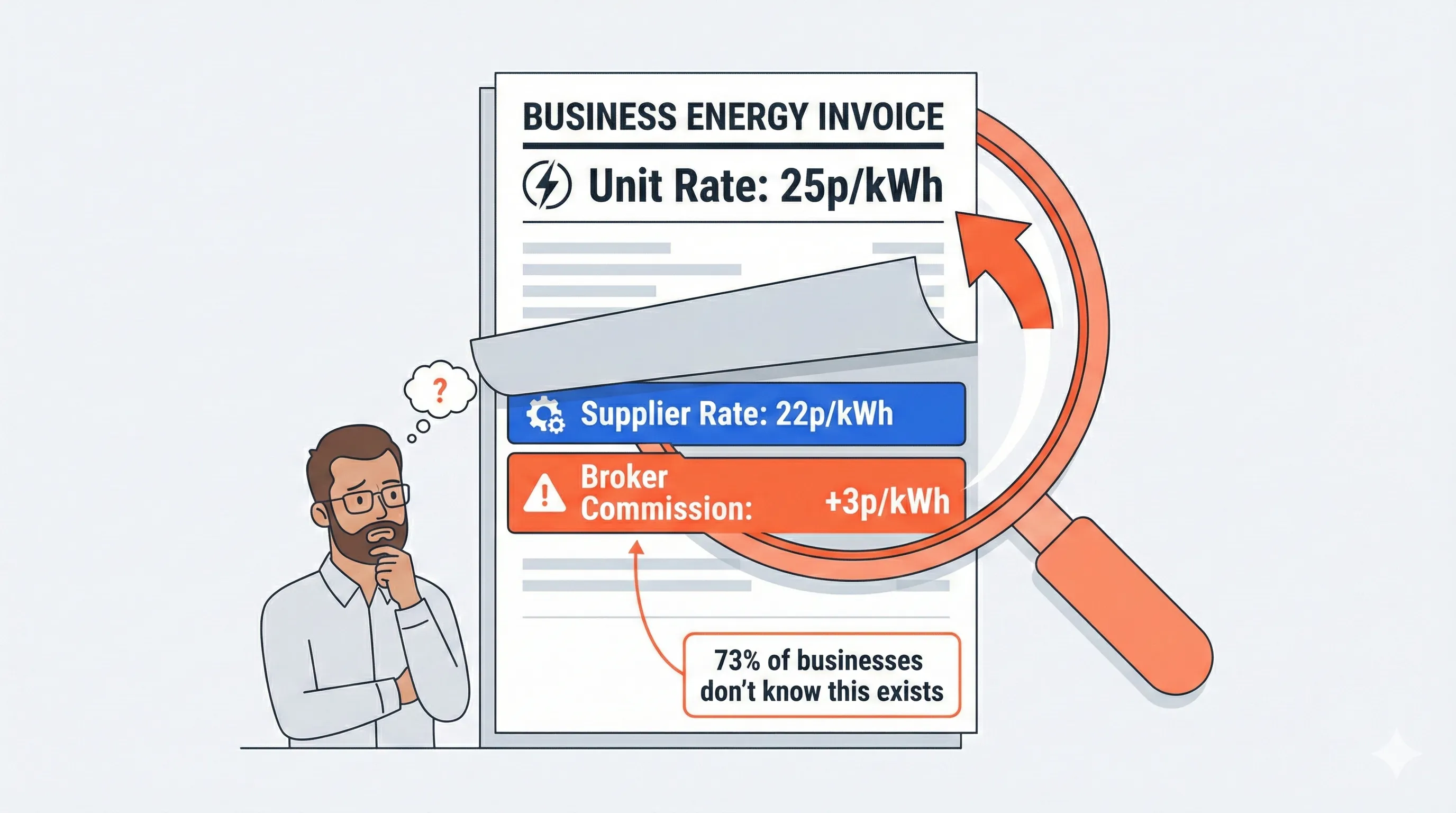
Love Energy Savings doesn’t charge upfront fees. Instead, they earn commission from suppliers when you switch - added to your unit rate as an “uplift.”

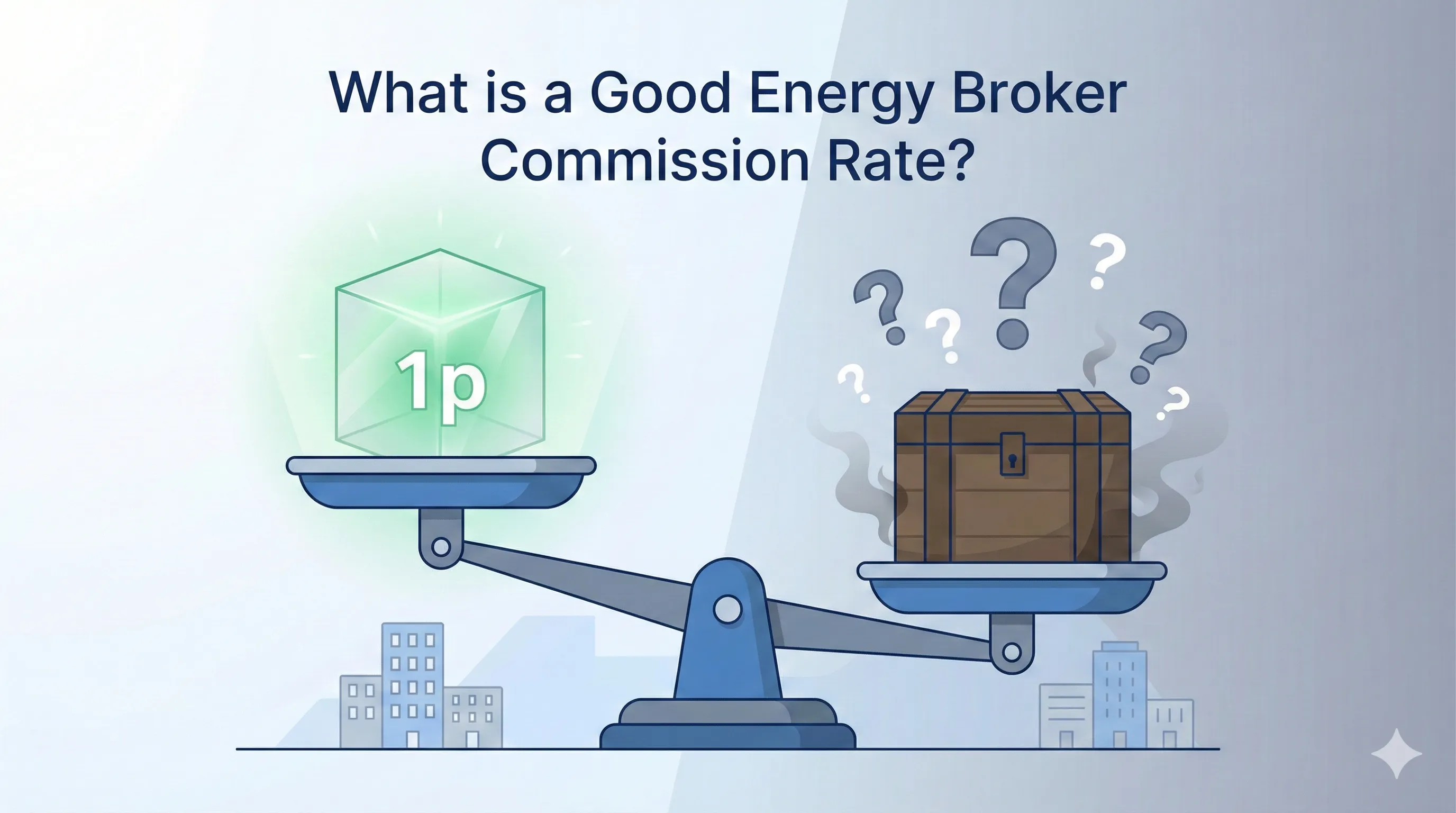
Their website states the commission is typically around 1p/kWh. For example:

  • Supplier base rate: 22p/kWh
  • Love Energy Savings commission: ~1-4p/kWh (estimated)
  • You pay: 23-26p/kWh

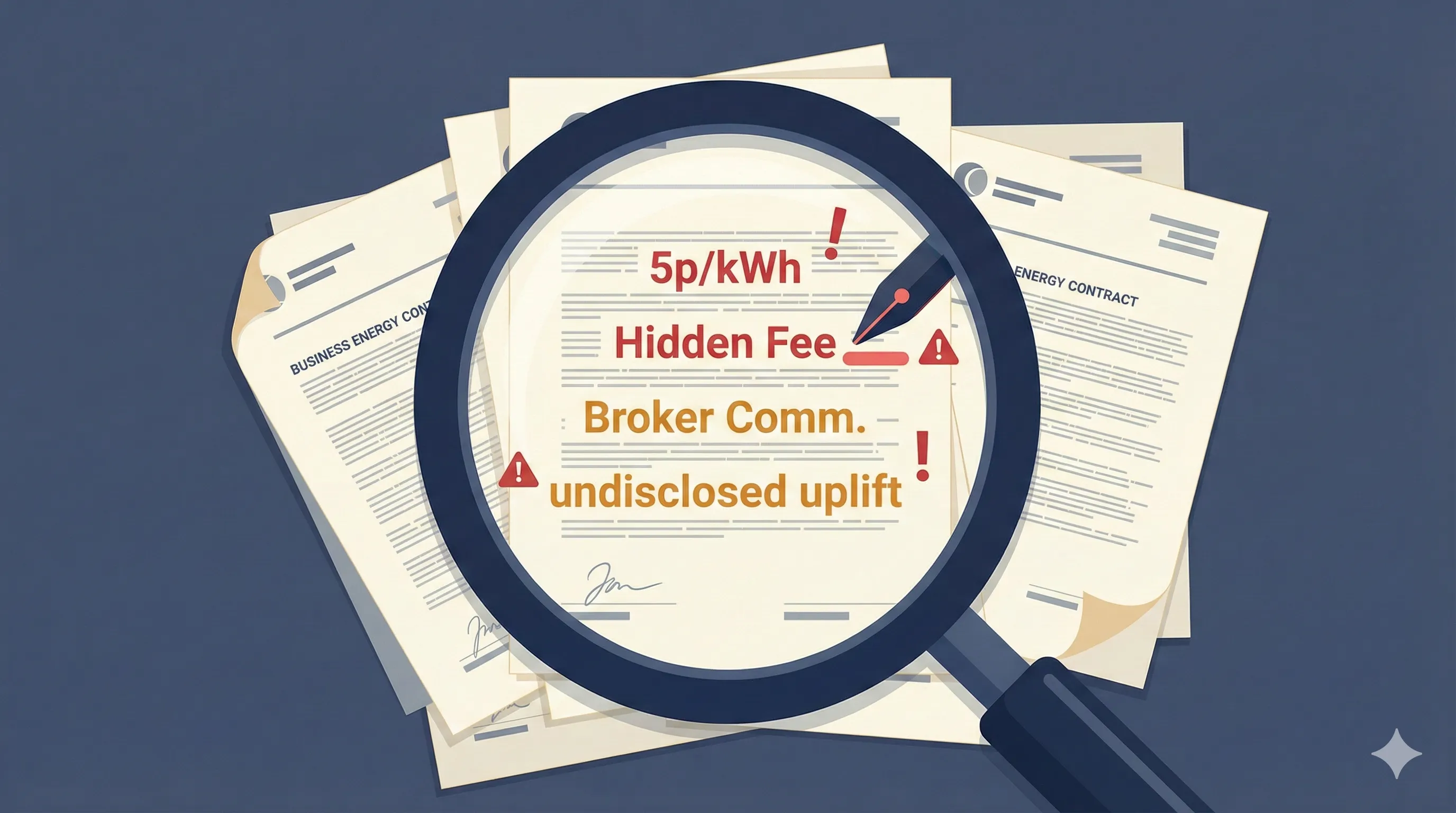
However, customer reports vary significantly. One verified complaint on Reviews.io revealed a 1.5p/kWh commission on a 4.37p/kWh gas rate - a 34% markup that wasn’t disclosed during the sales process.

Phone-based brokers typically charge higher commissions than online platforms due to their cost structure (account managers, sales teams, offices, cold-calling operations). Their cost-to-serve is significantly higher, and those costs get passed directly onto the customer through larger commission uplifts. Industry estimates suggest broker commissions typically amount to £800-2,000 (2-5p/kWh) on a 40,000 kWh annual usage contract.

Under Ofgem’s 2024 transparency rules (opens in new tab), suppliers must now disclose broker commissions in contracts. However, this disclosure typically appears buried in contract paperwork at signing stage - not prominently displayed when you’re comparing quotes. By contrast, Meet George shows our 1p/kWh fee upfront on every quote, before you make any decisions.

Love Energy Savings does have a “How We Get Paid” page explaining their model, and they state customers can email to request exact commission amounts. But this information isn’t surfaced during the quote or sales process unless you specifically ask. Learn more about how broker commissions work.

Diagram showing how broker commission is hidden within the energy unit rate versus transparent fee shown separately

What Love Energy Savings Does Well

To be fair, Love Energy Savings has genuine strengths:

  • 17+ years experience - Established in 2007, they’ve refined their processes over time
  • Online comparison tool - One of the few brokers offering instant online quotes
  • One-stop shop - Handle energy, water, telecoms, insurance, and more
  • Large supplier panel - Access to major and independent UK suppliers
  • Proven savings - Claim average savings of £1,800 per switch
  • Financial backing - £25m investment from LDC provides stability
  • Award-winning service - Customer service staff often praised in reviews

For business owners who want a guided experience with an advisor handling everything, and don’t mind phone calls, this model works well.


The Bigger Picture: Love Energy Savings’ White-Label Network

Here’s something most business owners don’t realise: Love Energy Savings doesn’t just operate under its own name. They power several other “comparison” sites that appear to be independent alternatives.

Sites That Route to Love Energy Savings

Our investigation found that these sites all ultimately connect you with Love Energy Savings’ sales operation:

SiteAppears to be…Actually is…
BusinessEnergy.comIndependent comparison siteLove Energy Savings white-label
BritishBusinessEnergy.co.ukUK-specific brokerLove Energy Savings white-label
BusinessEnergyUK.comSeparate broker serviceLove Energy Savings white-label

When you request a quote through any of these sites, you’re not getting an independent comparison - you’re entering Love Energy Savings’ sales funnel.

Why This Matters

This white-label strategy creates the illusion of market competition while funnelling customers to the same commission structure:

  1. You think you’re comparing - Finding a site called “BusinessEnergy.com” feels like discovering an independent option
  2. Same advisors, same rates - Your details go to the same sales team with the same commission model
  3. Limited true comparison - Checking multiple sites doesn’t give you different perspectives
  4. SEO dominance - By powering multiple domains, Love Energy Savings captures more search traffic and makes it harder for genuine alternatives to compete

The Market Consolidation Problem

This isn’t unique to Love Energy Savings. The UK business energy broker market has consolidated around two major players:

Network 1: Bionic

Network 2: Love Energy Savings

  • Powers: BusinessEnergy.com, BritishBusinessEnergy.co.uk, BusinessEnergyUK.com

Between these two networks, the vast majority of “comparison” and “switching” sites in the UK business energy market route to just two brokers. The competitive landscape is far smaller than it appears.

If you’re looking for a genuine alternative to Love Energy Savings, checking sites like BusinessEnergy.com won’t help - you’re comparing the same broker to itself.

Truly independent options include:

  • Going direct to suppliers (though this limits your options to one supplier at a time)
  • Using a self-service platform with transparent pricing (like Meet George)
  • Contacting a local independent broker (check they’re genuinely separate)

The white-label network is one more reason why transparency matters. When you can’t tell who’s actually behind a comparison site, you can’t make an informed choice about who you’re trusting with your energy switching.


Love Energy Savings Review: What Some Customers Report

Despite a 4.7-star Trustpilot rating (with 88% of reviews being 5-star), a significant number of customers have raised concerns. These Love Energy Savings complaints appear across review sites, forums, and regulatory discussions.

Love Energy Savings Complaints: Aggressive Sales Tactics

The most frequent complaint: persistent, unwanted contact after providing details.

Customer reports include:

  • “Bombarded with phone calls and emails trying to upsell other products”
  • “The calls never end… so frustrating”
  • “They called pretending to be from EDF, saying my contract was up for renewal” (alleged)

On Glassdoor, a former employee described the job as “making 100+ cold calls a day to people who do not want them” - suggesting an aggressive outbound sales culture.

While many customers have positive experiences with friendly advisors, the volume of complaints about unwanted contact is notable. Citizens Advice (opens in new tab) recommends businesses be cautious about sharing contact details with brokers who may use them for persistent marketing.

Commission Hidden in Rates

Love Energy Savings’ commission isn’t shown separately from the energy rate. This makes it difficult to:

  • Know exactly what you’re paying for brokerage vs. energy
  • Compare their “all-in” price against direct supplier quotes
  • Evaluate whether the broker fee represents good value

One detailed customer complaint revealed they unknowingly paid a 1.5p/kWh uplift on a 4.37p/kWh gas rate - effectively paying 34% more than the supplier’s base price. The customer only discovered this when examining contract details after signing.

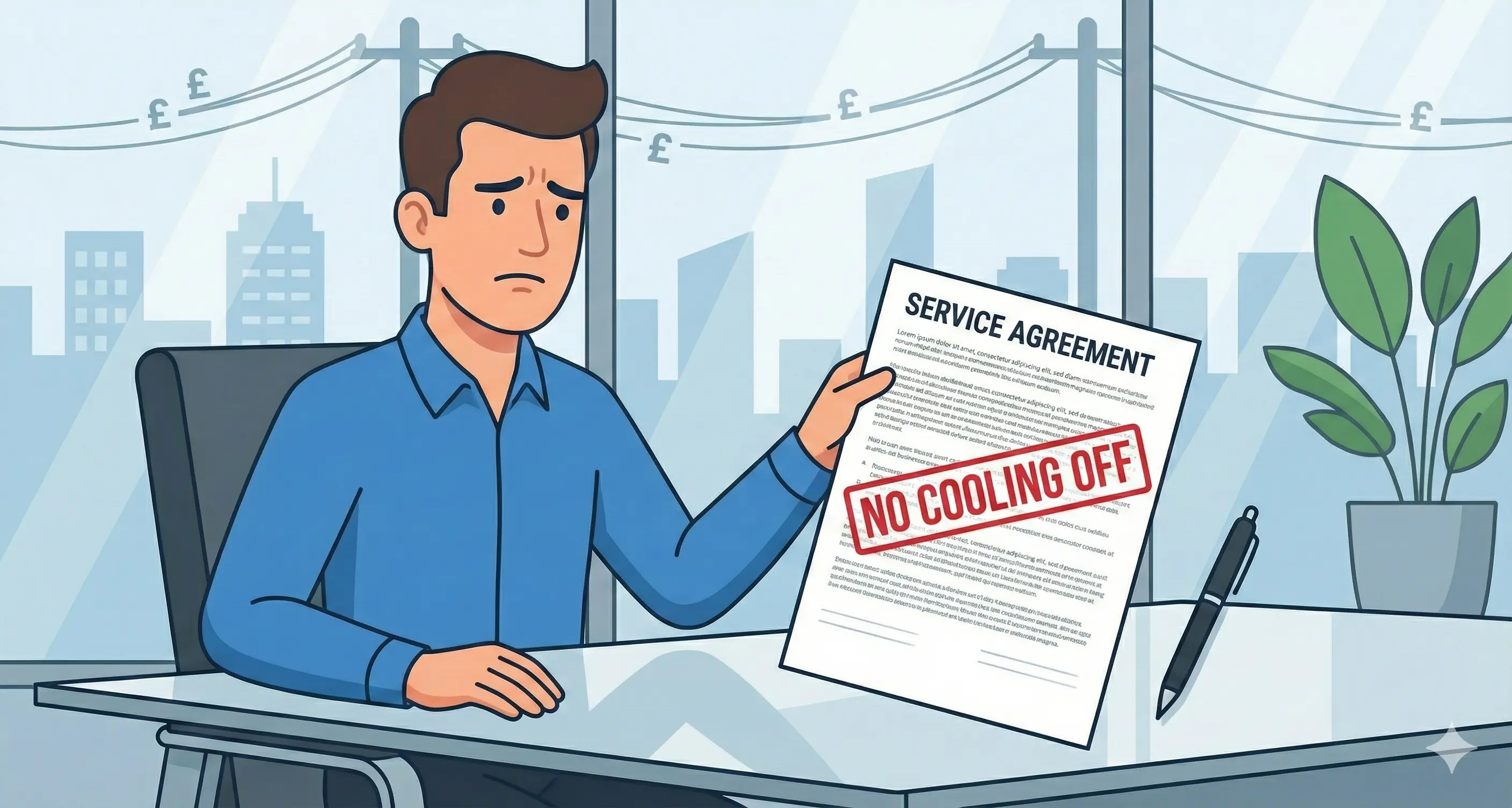
When they tried to cancel after learning about the commission, they were told business contracts have no cooling-off period - a fact the sales agent hadn’t mentioned.

For more context, see our guide: Good Brokers vs Bad Brokers.

Failed Switches Not Communicated

A troubling pattern: customers signing contracts through Love Energy Savings, only to discover months later that the switch never happened.

One Reviews.io complaint describes a customer who signed in July, assumed everything was fine, then discovered their switch was never processed. They’d been paying expensive out-of-contract rates for months without being told. Love Energy Savings admitted to a “computer issue” but only offered £50 compensation on an estimated £400 overpayment.

The reviewer noted this had “happened quite a few times to other customers” - suggesting a systemic issue with their switching platform or supplier communication.

Pressure to Sign Immediately

Brokers often claim quotes expire same-day due to wholesale market volatility - but this is largely a pressure tactic. While wholesale prices do fluctuate, most supplier quotes are valid for several days. The urgency is manufactured to prevent you from shopping around or having second thoughts. Some customers report feeling rushed beyond what’s reasonable:

  • “Urged me to sign the contract as quick as possible”
  • Sales agents emphasising urgency without explaining cooling-off rights (or lack thereof)
  • Limited time to review contract terms or compare alternatives

Unlike domestic consumers, business energy customers generally have no statutory cooling-off period. Once you sign, you’re committed - potentially for years. This makes the pressure to sign quickly particularly problematic.

For more on this: Can I Cancel My Business Energy Contract?

Conflicts of Interest

Love Energy Savings admits to receiving “volume-based incentive payments” from suppliers for hitting sales targets. While they claim this doesn’t affect impartiality, the incentive structure creates potential conflicts:

  • Higher commission suppliers might be favoured
  • Volume bonuses could encourage pushing any deal rather than the best deal for the customer
  • The customer’s interest (lowest price) may conflict with the broker’s interest (highest commission)

Love Energy Savings vs Meet George: The Self-Service Alternative

If the concerns above resonate with you, self-service platforms offer a fundamentally different approach to business energy broker comparison.

What Self-Service Means

FactorLove Energy SavingsMeet George
Getting quotesOnline tool + sales callsSee prices instantly online
Commission visibilityHidden in unit rateShown separately (1p/kWh)
Phone callsOften required to finaliseNever required
Cold-callingYes, after providing detailsNever
Contract analysisAdvisor explains verballyAI reads and flags risks
Signing processVia phone/email/DocuSignFully in-platform
Multi-utilityYes (water, telecoms, etc.)Energy-focused

Visual comparison table showing key differences between traditional phone-based brokers and self-service AI platforms

How Meet George Works

We built Meet George specifically for SMEs who want transparency and control:

  1. Upload your bill - We extract your meter details (MPAN/MPRN) and current usage
  2. See all quotes instantly - From 20+ suppliers, with the base rate and our fee shown separately
  3. Ask George anything - Our AI assistant explains contracts, flags concerns, answers questions
  4. Sign digitally - Complete the switch entirely online with e-signature
  5. No follow-up harassment - We remind you at renewal, but never cold-call or pressure

The AI Difference

Traditional brokers (including Love Energy Savings) rely on human advisors to explain contracts. This works, but it’s limited by:

  • Availability (business hours only)
  • Potential sales incentives to push certain suppliers
  • Human error or oversight on complex clauses
  • Inherent pressure of a sales conversation

Meet George uses AI to go further:

  • George reads every contract clause and explains terms in plain English
  • Flags risks like unfavourable volume tolerances, auto-renewal traps, or unusual exit fees
  • Answers unlimited questions - no sales pressure, just information
  • Operates 24/7 - get help at midnight if that’s when you do admin

This AI-first approach means our cost-to-serve is a fraction of traditional brokers. We pass those savings directly to you.

The Pricing Difference

Meet George charges a flat, transparent 1p/kWh fee. Here’s how that compares:

Annual UsageLove Energy Savings (estimated)Meet George
25,000 kWh£500-1,000 (2-4p/kWh hidden)£250 (1p/kWh visible)
50,000 kWh£1,000-2,000£500
100,000 kWh£2,000-4,000£1,000

The key difference isn’t always the amount - it’s visibility. With Love Energy Savings, you see a total rate and must trust the commission is fair. With Meet George, you see the supplier’s base rate AND our fee separately, so you know exactly what you’re paying.

Price breakdown showing opaque single rate versus transparent supplier rate plus clearly displayed platform fee


When Love Energy Savings Might Still Be Right for You

Self-service isn’t for everyone. Consider staying with a broker-assisted model if:

  • You want phone guidance - Speaking to someone who explains options verbally
  • You need multiple utilities - Love Energy handles water, telecoms, insurance too
  • Complex multi-site needs - Multiple meters, different contract end dates
  • Limited time or confidence - You genuinely want someone else to handle everything
  • You value the relationship - Some business owners prefer a known contact they can call

Love Energy Savings’ high customer satisfaction scores suggest many SMEs do prefer this approach. The key is making an informed choice about which trade-offs work for your business.


How to Switch Away from Love Energy Savings

If you’ve previously used Love Energy Savings and want to try a different approach, here’s what to check:

1. Find Your Contract End Date

Check your energy contract (from the supplier, not Love Energy Savings) for the end date. This determines when you can switch without exit fees. If you don’t have your contract, call your supplier directly with your MPAN or MPRN.

2. Check the Notice Period

Most business energy contracts require 30-90 days notice before the end date. Miss this window and you may:

3. Review Any Letter of Authority

If you signed an LOA with Love Energy Savings, check whether it’s still active. Some LOAs remain valid for extended periods, potentially allowing the broker to continue acting on your behalf. You can revoke an LOA in writing at any time. Learn more: What is a Letter of Authority?

4. Opt Out of Marketing

If you’re receiving unwanted calls or emails, you have the right to opt out. Under GDPR, you can request Love Energy Savings stop contacting you for marketing purposes. If calls continue after opting out, you can report this to the Information Commissioner’s Office (opens in new tab).

5. Compare Options Before Your Renewal Window

Start comparing at least 3-4 months before your contract ends. This gives you time to:

  • Gather quotes from multiple sources
  • Understand the current market
  • Make a considered decision without pressure

For the complete process, see: How to Switch Business Energy


The Regulatory Landscape

The energy broker market is changing. Understanding the regulatory context helps you evaluate your options.

October 2024: Mandatory Commission Disclosure

Ofgem now requires (opens in new tab) suppliers to disclose broker commissions in all non-domestic contracts. This means you have the right to see what any broker (including Love Energy Savings) is being paid - though this typically appears buried in contract paperwork at signing stage, not prominently displayed when you’re comparing quotes.

Upcoming: Direct Broker Regulation

The UK government has confirmed plans to directly regulate Third Party Intermediaries (opens in new tab). Under the new framework, Ofgem will gain powers to:

  • Require broker registration
  • Set conduct standards
  • Investigate complaints
  • Remove bad actors from the market

This should improve standards across the industry. Read more on our regulation page.

December 2024: Extended Ombudsman Access
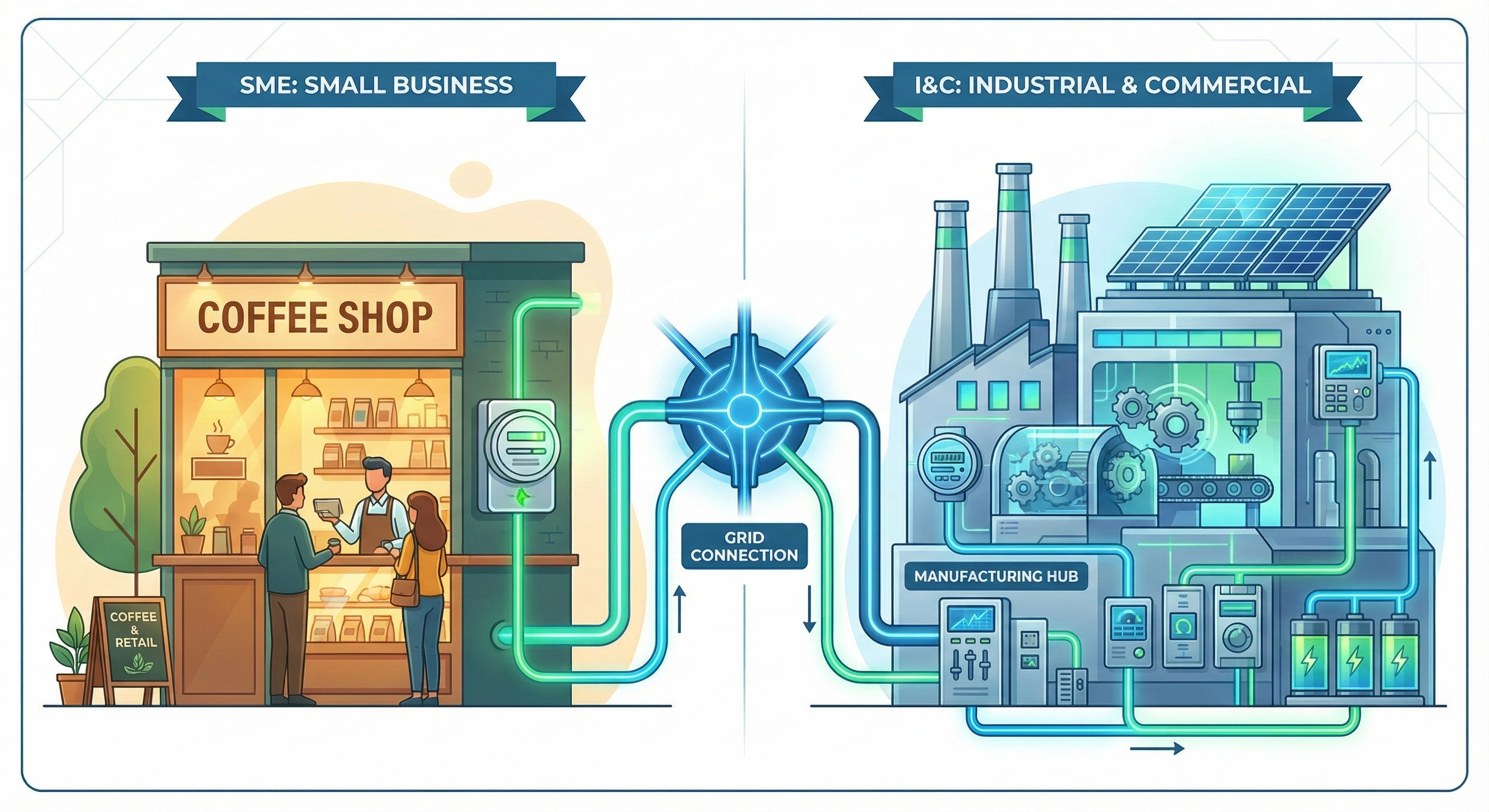
Small businesses (under 50 employees or £6.5m turnover) can now take complaints about brokers to the Energy Ombudsman (opens in new tab) - previously only available to microbusinesses. This gives more SMEs an independent route for dispute resolution. Citizens Advice (opens in new tab) also provides free guidance on business energy rights and switching.

For more on how regulation is changing the broker market, see: Ofgem Energy Broker Regulation 2025


Making Your Decision

Choosing between Love Energy Savings and alternatives comes down to your priorities:

Choose Love Energy Savings If:

  • You want phone-based guidance from a human advisor
  • You need multiple utilities (water, telecoms) from one provider
  • You’re comfortable with commission being built into your rate
  • You prefer someone else handling the entire process
  • You don’t mind receiving sales calls

Choose Self-Service If:

  • You want to switch entirely online, no calls
  • You want to see supplier rates and fees separated
  • You want AI-powered contract analysis and risk flagging
  • You prefer making decisions without sales pressure
  • You want to avoid cold-calling and follow-up harassment

Questions to Ask Any Provider:

  1. “Can I see quotes without providing my phone number?”
  2. “How much commission do you earn on this deal?”
  3. “Is your fee shown separately or included in the rate?”
  4. “Will you ever sign contracts on my behalf?”
  5. “Will you call me if I don’t want you to?”

The answers will tell you what kind of experience to expect.


The Bottom Line

Love Energy Savings is a reputable broker with genuine strengths: 17 years of experience, an online quote tool, and a one-stop shop for multiple utilities. Their high customer satisfaction scores reflect real value for many businesses.

But the traditional broker model has inherent limitations:

  • Opacity - Commission hidden in rates, only revealed in contract fine print (with reported markups as high as 34%)
  • Sales pressure - Cold-calling, persistent follow-ups, and pressure to sign quickly
  • Potential conflicts of interest - Brokers are paid commission by suppliers, not by you. This can incentivise them to recommend suppliers offering higher broker payments rather than the best deal for your business. (Meet George is also paid by suppliers, but we charge a flat 1p/kWh on every quote - so we have no incentive to push one supplier over another.)

If these limitations concern you, alternatives exist. Meet George offers:

  • Full transparency - 1p/kWh fee shown separately
  • Complete self-service - Switch online without any calls
  • AI-powered guidance - Contract analysis, risk flagging, plain-English explanations
  • Your interests first - No cold-calling, no pressure, no commission games

Both models can deliver savings and good outcomes. The question is which approach suits your preferences.


Ready to switch on your terms? See how Meet George’s transparent pricing works or learn more about how hidden broker commissions work so you can evaluate any quote you receive.

Ready to switch the transparent way? Learn the complete 5-step switching process or join the Meet George platform waitlist to see exactly what you’re paying - no hidden margins, no surprises.

Found this article useful?

Share it with others who also might benefit

FAQs

Common questions

Straight answers about business energy.

Yes, Love Energy Savings is a well-established UK energy broker founded in 2007 and headquartered in Bolton. They've helped over 450,000 businesses and have a 4.7-star Trustpilot rating from 24,000+ reviews. They're backed by LDC (part of Lloyds Banking Group) with £25m investment. However, like most traditional brokers, their commission is embedded in energy rates rather than shown separately.

Love Energy Savings doesn't publish exact commission rates, but they state it's typically around 1p/kWh added to the supplier's base rate. However, customer reports vary significantly - one verified complaint revealed a 1.5p/kWh commission on a 4.37p/kWh gas rate, which is a 34% markup. The commission is hidden in your quoted rate and only disclosed if you specifically ask or check contract paperwork.

Partially. Love Energy Savings does have an online comparison tool that shows instant prices, which is more advanced than many brokers. However, many customers report being funnelled into phone calls to finalise deals, and providing your details triggers follow-up calls from their sales team. The process is not fully self-service end-to-end.

Common complaints include: aggressive cold-calling and persistent follow-up calls even after declining, hidden commission that's only revealed in contract small print, failed switches that weren't communicated to customers (leaving them on expensive out-of-contract rates), and feeling pressured to sign contracts quickly without full information about cooling-off rights.

Meet George is fully self-service and AI-powered. You can compare 20+ suppliers, see quotes instantly, and switch entirely online without any sales calls. Our 1p/kWh fee is shown separately from the supplier rate (not hidden in the price), and our AI assistant George reads every contract clause to explain terms and flag risks. There's no cold-calling, no follow-up pressure, and no commission incentive to push particular suppliers.

Not necessarily. Because Love Energy Savings adds commission to the supplier's base rate, you may pay more than going direct. Their average saving of £1,800 per switch is calculated against what customers were previously paying - not against direct supplier rates. If you're a savvy buyer willing to compare yourself, you could potentially find better deals without the hidden markup.

Love Energy Savings claims to be impartial, but they receive commission from suppliers and admit to receiving 'volume-based incentive payments' for hitting sales targets. This creates potential conflicts of interest - they may be incentivised to recommend suppliers offering higher commissions rather than the absolute best deal for your business.

No. Despite appearing to be separate comparison sites, both BusinessEnergy.com and BritishBusinessEnergy.co.uk route to Love Energy Savings. BusinessEnergyUK.com also uses their white-label service. This means that checking these 'different' sites won't give you genuinely independent quotes - you're entering the same sales funnel with the same commission structure.

Joshua Winterton - CEO and Co-Founder of Meet George

Joshua is the CEO and Co-Founder of Meet George. With experience in tech, AI, and energy markets, he's building tools to make business energy switching transparent and effortless. Previously, he's worked in startups and commercial strategy roles.